
We are building Africa's next generation of problem solvers and creators — through code.
KiddyKode is a continental learning movement. We help children become creators by pairing rigorous coding education with cultural storytelling, project-based learning, and school partnerships across the continent.




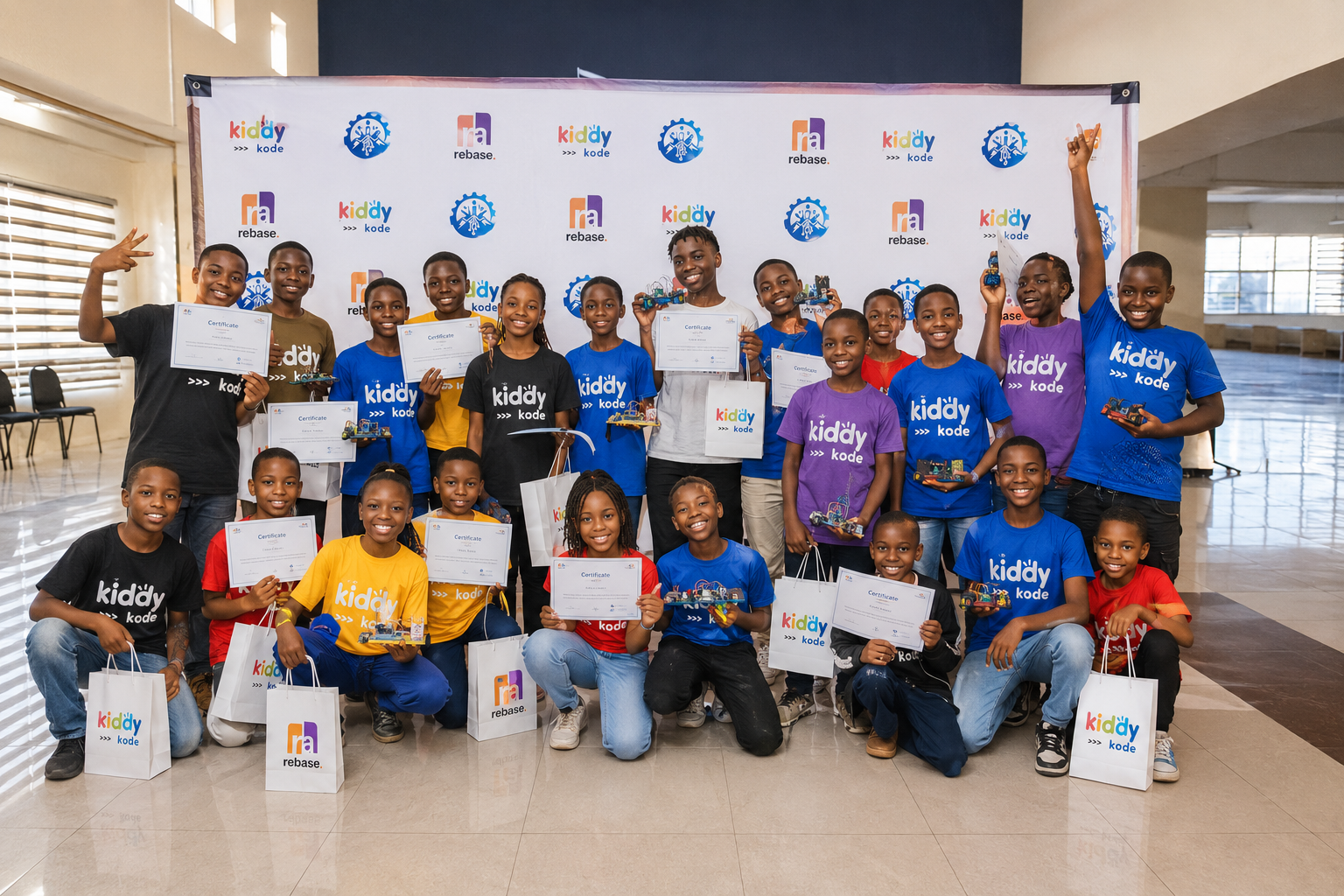
KiddyKode exists to help children move from passive screen use to active digital creation. We use coding as a tool for problem-solving, creativity, communication, and confidence — not as syntax practice alone.
Creativity first
Every lesson begins with something a child can make: a story, a game, a tool, or a small solution to a real problem.
Context matters
Our stories, examples, and challenges are designed to feel familiar, meaningful, and rooted in African realities.
Built for access
We want coding education to be practical, structured, and reachable for more children, not only a small privileged few.
We are early — so we measure carefully.
We are still in the early stage of building KiddyKode, so this section focuses on what we can honestly measure now: pilot learners, baseline assessments, student work, and the thinking skills we are tracking over time. We would rather publish small, real evidence than oversized claims.
Where children can learn with KiddyKode.
KiddyKode keeps its learning formats simple and intentional. Every format follows the same structured journey: story, logic, build, improve, present.
School Clubs
Weekly structured coding sessions delivered in partner schools, designed to help learners build thinking skills and complete hands-on projects.
Explore school programs →KiddyKode Live
Cohort-based coding sessions on Zoom where children learn with facilitators, build projects in Python, practice at home, and present their work.
Register →KiddyKode Studio
A guided online platform where learners move from Explorer to Builder to Creator through structured lessons, practice, and project work.
Signup →Holiday Bootcamps
Short, focused programs during school breaks where learners build and present a complete project in a concentrated format.
Browse upcoming camps →Africa's children are already living in a digital world. The real question is whether they will only use it, or help build it.
By 2030, Africa's young population will shape the systems, stories, and software that define the continent's future. Yet many children are still learning to use technology without learning to build with it. KiddyKode exists to change that by helping children move from consumption to authorship through structured, project-based coding.
Digital Sovereignty
African children should not grow up only consuming technologies built elsewhere. They should learn to shape the tools, systems, and solutions that affect their own communities.
Cultural Continuity
Coding becomes more meaningful when it is taught through stories, language, and contexts children recognize. At KiddyKode, technology is not presented as foreign; it becomes a medium for African expression.
Systemic Thinking
Learning to code teaches children how to break complex problems into smaller, solvable parts. That way of thinking stays with them long after the lesson ends.
Dispatches from the work.
Stories, field notes, and interviews from the classrooms, demo nights, and homes of the children, teachers, and partners building this movement.
Zola, age 11, built an app that maps her grandmother's herbal medicine knowledge.
"I wanted Gogo's plants to be somewhere even after she isn't here." What began as a six-week Creator Camp turned into a year-long archive project — now in trial use at two community clinics in the Western Cape.
Iyeru Okin Primary doubled enrolment after Year 1.
How a Lagos primary school turned an after-school club into a flagship STEAM strategy.
"He shows me his code now, the way he used to show me drawings."
A father in Nairobi on what changes at home when a child becomes a maker.
A decentralized network for future growth.
KiddyKode is designed to grow through regional chapters led by local educators, facilitators, and partners. The central team provides the curriculum, platform, and pedagogical framework, while chapter leaders help adapt delivery, support schools, and expand access in their region. In time, this structure can allow KiddyKode to grow across cities and countries without losing the consistency of its method.
Local leadership
Chapter leads coordinate delivery in their region, build local relationships, and help bring the KiddyKode method into schools and communities.
Shared pedagogy
Every chapter works from the same structured framework, so learners experience a consistent method even when delivery is local.
Scalable support
The central team provides curriculum, training, and platform support, making it possible for chapters to grow without weakening quality.
Regional access
A chapter network makes KiddyKode easier to reach across different cities and countries while keeping the brand coherent and recognizable.
KiddyKode Studio turns lessons into projects.
KiddyKode Studio is our self-paced platform for children to follow courses, practice skills, and build projects at their own pace. Learners move through Explorer, Builder, and Creator levels as they grow from guided work into more independent creation.
Progressive Complexity
Children start with guided activities and simple projects, then move step by step into more open-ended building as their confidence grows.
Offline Resilience
Studio is designed so learners can continue building even when connectivity is inconsistent, with progress and project work structured to support uninterrupted learning.
Peer Review Built-in
As learners grow, they can share work, compare approaches, and learn from one another through structured feedback and presentation.
1// Medicine Map Logic
2const herbs = [
3 { name: 'Umhlonyane', use: 'Cold'},
4 { name: 'Imphepho', use: 'Calm'}
5];
6
7function findHerb(symptom) {
8 return herbs.filter(h => h.use === symptom);
9}
10
11playAudio('gogo_audio.mp3');
Build the future with us.
Bring KiddyKode to your classroom
We provide the curriculum, the platform, and the teacher training.
Partner your schoolEnroll your child
Find a community club or join the waitlist for the next Creator Camp.
Find a programSupport school access
Support school delivery, learner access, or the tools that help more children build with code.
Explore partnerships